


Solutions
Six engineering disciplines that start from the production requirement.
No solution is a product on its own; each is part of a system. The same team designs the mechanics, electrics and software together.
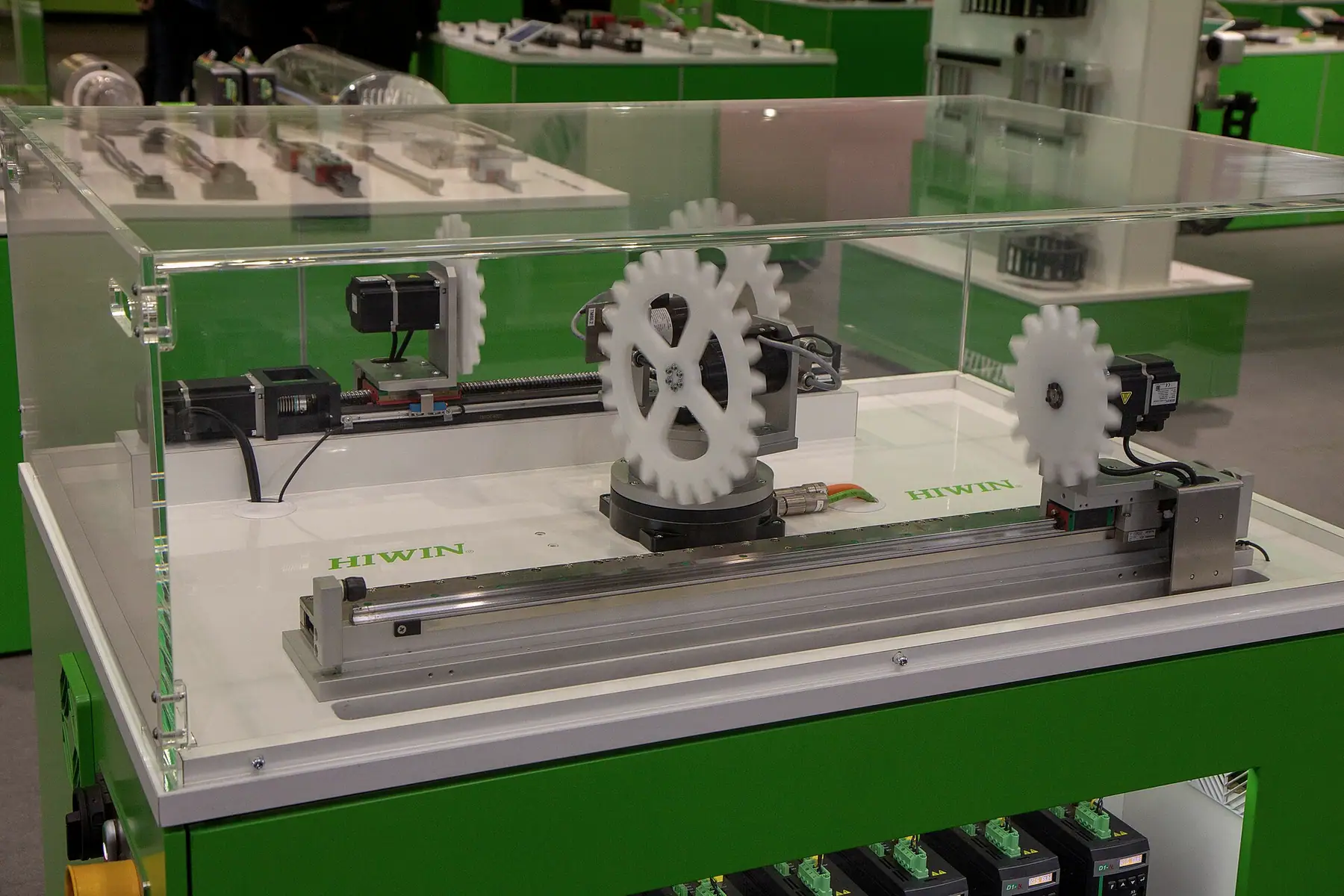
Mechanism Linear axis and gear transmission — representative image
Special Purpose Machinery
For processes that standard equipment cannot handle, we design the mechanism, drives and control software together. The machine's limits are set by the real requirements of the part and the process — not by a catalogue.
Scope
- Process analysis and concept design
- Mechanical design and analysis
- Drive, pneumatic and sensor selection
- Electrical design and control software
- Manufacturing, assembly and commissioning
Problems it solves
- Process steps with no off-the-shelf solution
- Manual tasks with poor repeatability
- Product-specific feeding, clamping or joining requirements
Robotic Automation
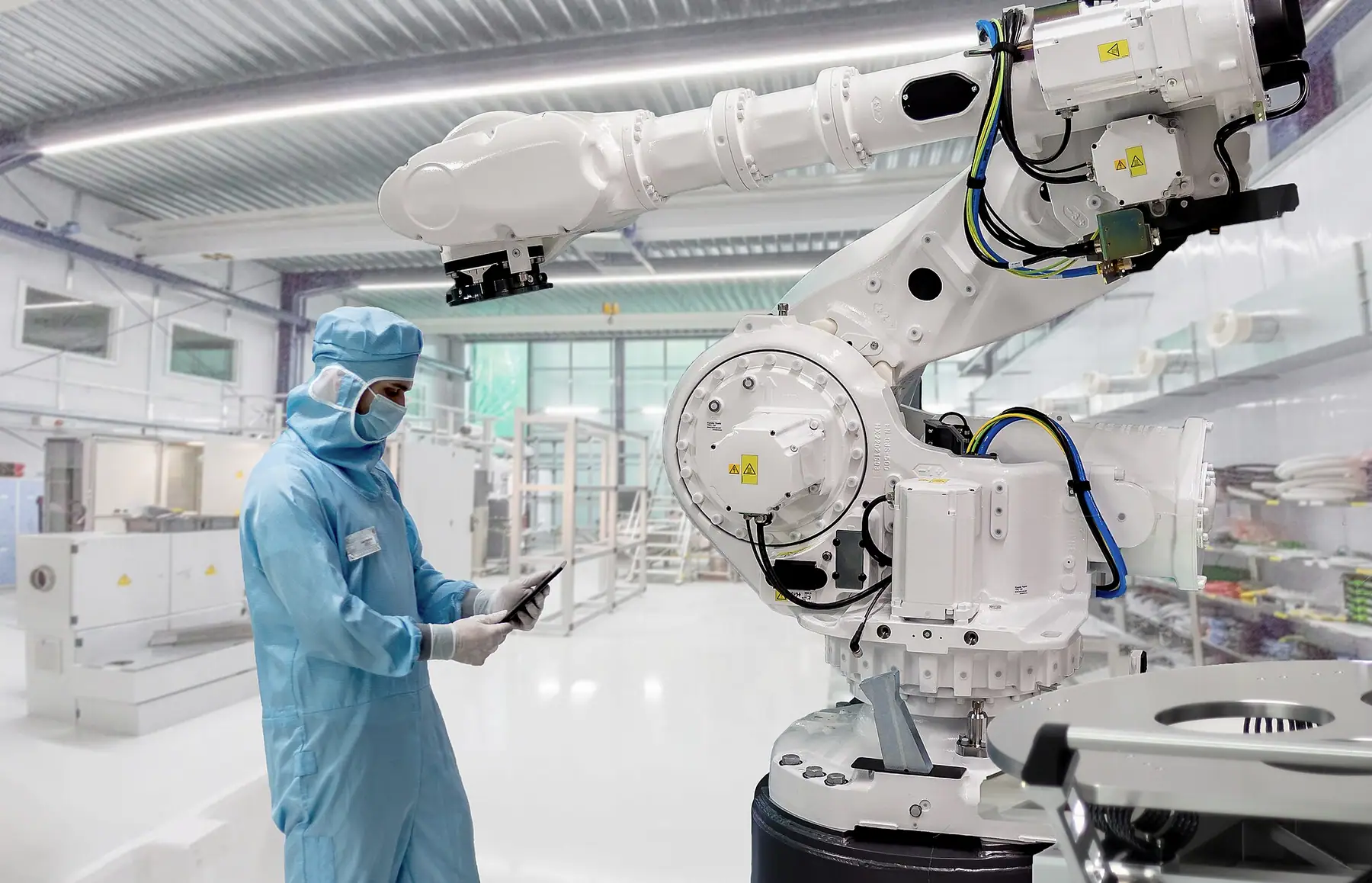
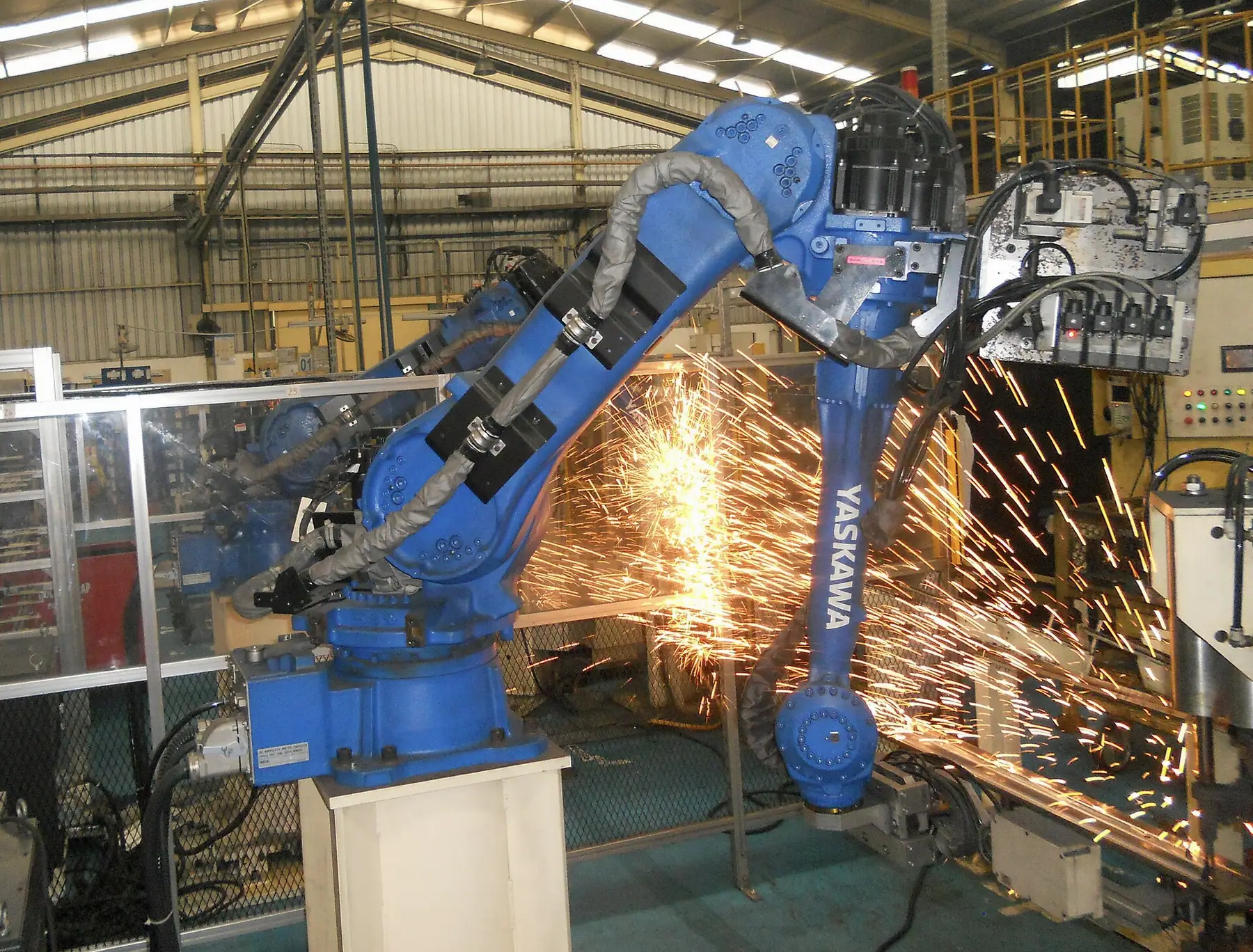
We build robot cells for welding, handling, assembly and packaging. Robot selection, gripper and fixture design, safety and cell control are treated as one whole by the same team.
Scope
- Cell layout and reach simulation
- Gripper (EOAT) and fixture design
- Robot programming and cell PLC
- Safety fencing, light curtains, interlocks
- Operator interface and recipe structure
Problems it solves
- Heavy, repetitive or ergonomically risky tasks
- Repeatable quality in multi-variant production
- Processes that must run reliably across every shift
Assembly Lines
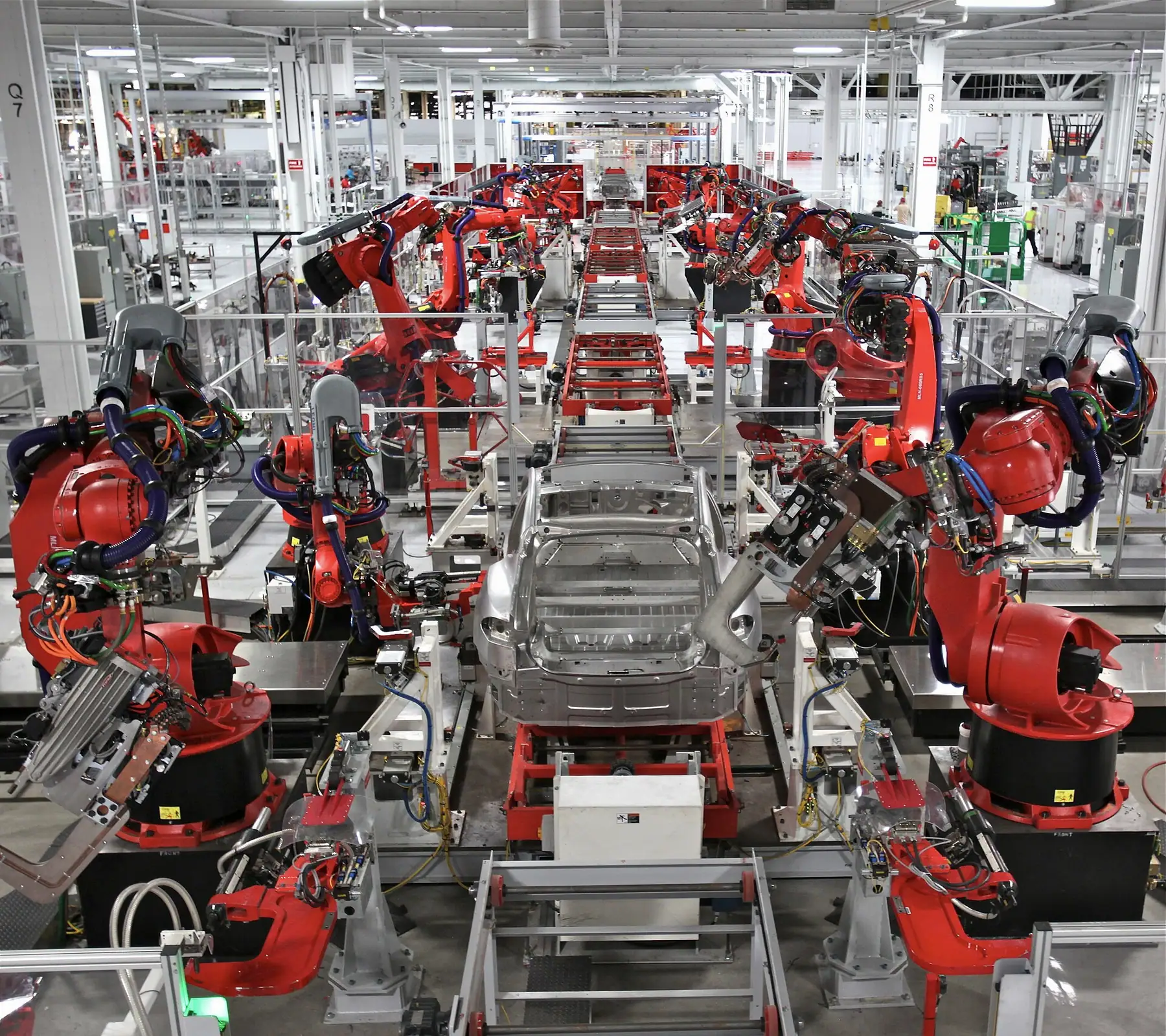
We plan station balancing, the transfer system and line control together. Manual, semi-automatic and fully automatic stations are designed to work within a single architecture.
Scope
- Line balancing and layout
- Transfer system and pallets
- Servo, pneumatic and robotic stations
- Poka-yoke and traceability
- Line control and host-system integration
Problems it solves
- Long changeover times between products
- Unbalanced workload across stations
- Assembly errors detected too late
Testing Systems
We develop test stations that combine leak, functional, electrical and dimensional checks with traceable data. Measurement reliability is the first design criterion.
Scope
- Test procedure and acceptance criteria
- Test fixtures and connection heads
- Measuring instrument integration
- Reject part segregation
- Data logging, labelling and reporting
Problems it solves
- Test results that depend on the operator
- Paper-based records and weak traceability
- Defective parts escaping at the end of the line
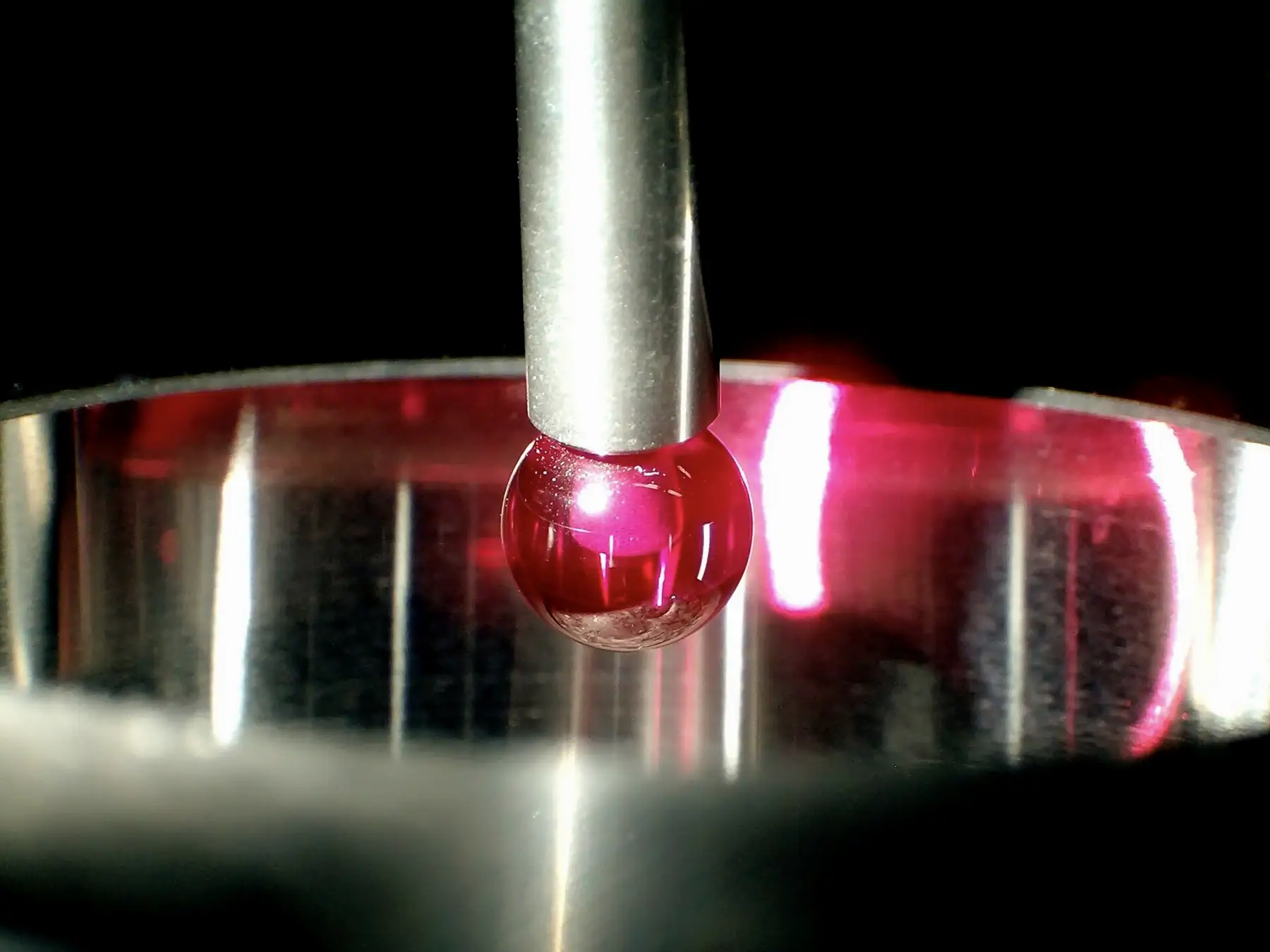
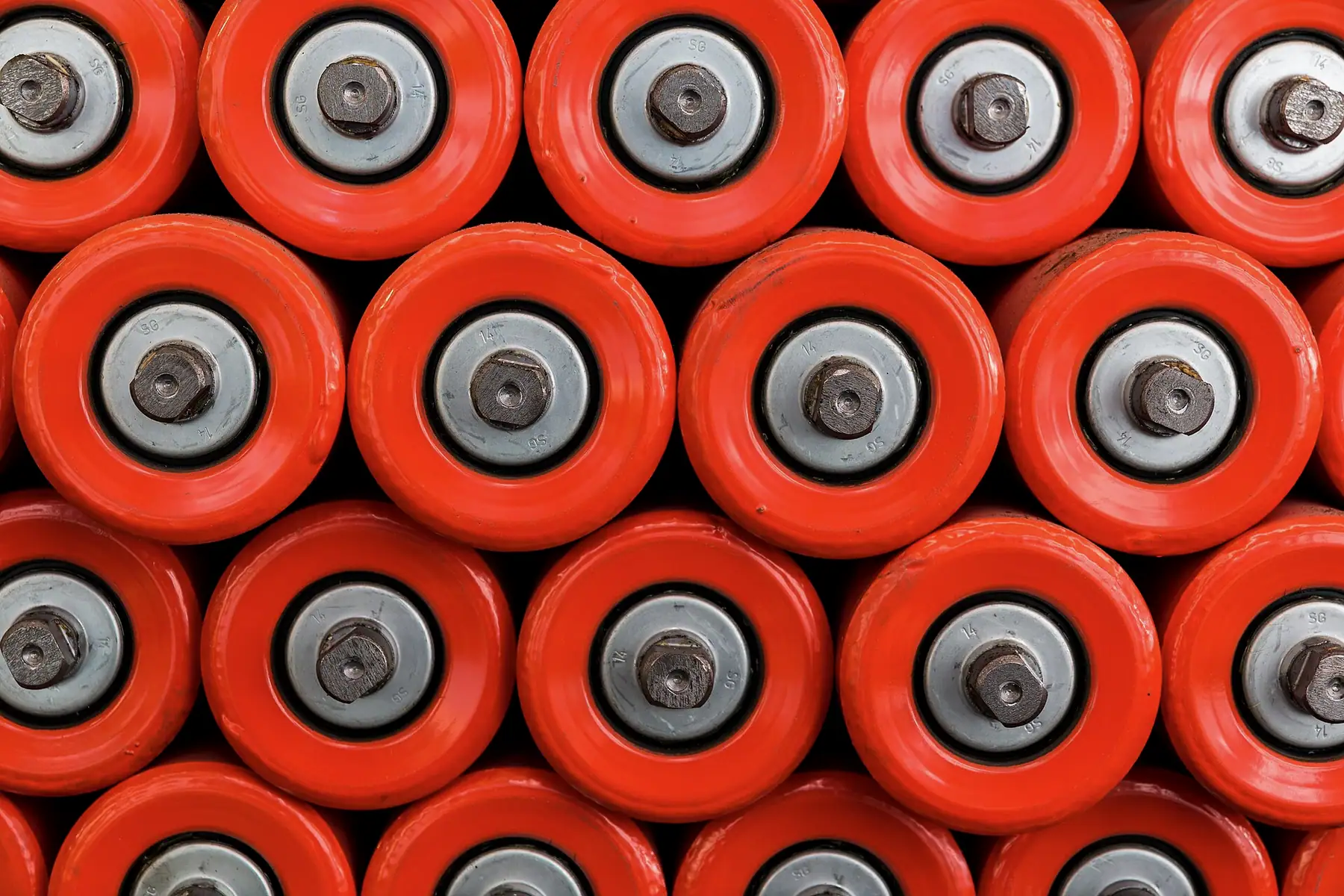
Detail Touch-trigger measuring probe — representative image
Conveyor Systems
We design material handling systems that link stations together, with accumulation and routing logic built in. A modular structure means the system can be reused whenever the layout changes.
Scope
- Material flow analysis
- Roller, belt and spiral conveyors
- Transfers, diverters and lifts
- Accumulation and buffer zones
- Zone-based control and product tracking
Problems it solves
- In-plant logistics that rely on forklifts and hand carts
- Uncontrolled build-up of work in progress
- Product damage caused by handling
Machine Retrofit
We bring machines with a sound mechanical structure but outdated controls or drives back into productive service. Every retrofit begins by measuring and documenting the current condition.
Scope
- Condition assessment and documentation
- Control system and panel renewal
- Servo and drive conversion
- Safety circuit upgrades
- New HMI and fault diagnostics
Problems it solves
- Control hardware for which spare parts are no longer available
- Machines with missing or outdated documentation
- Compliance with current safety requirements
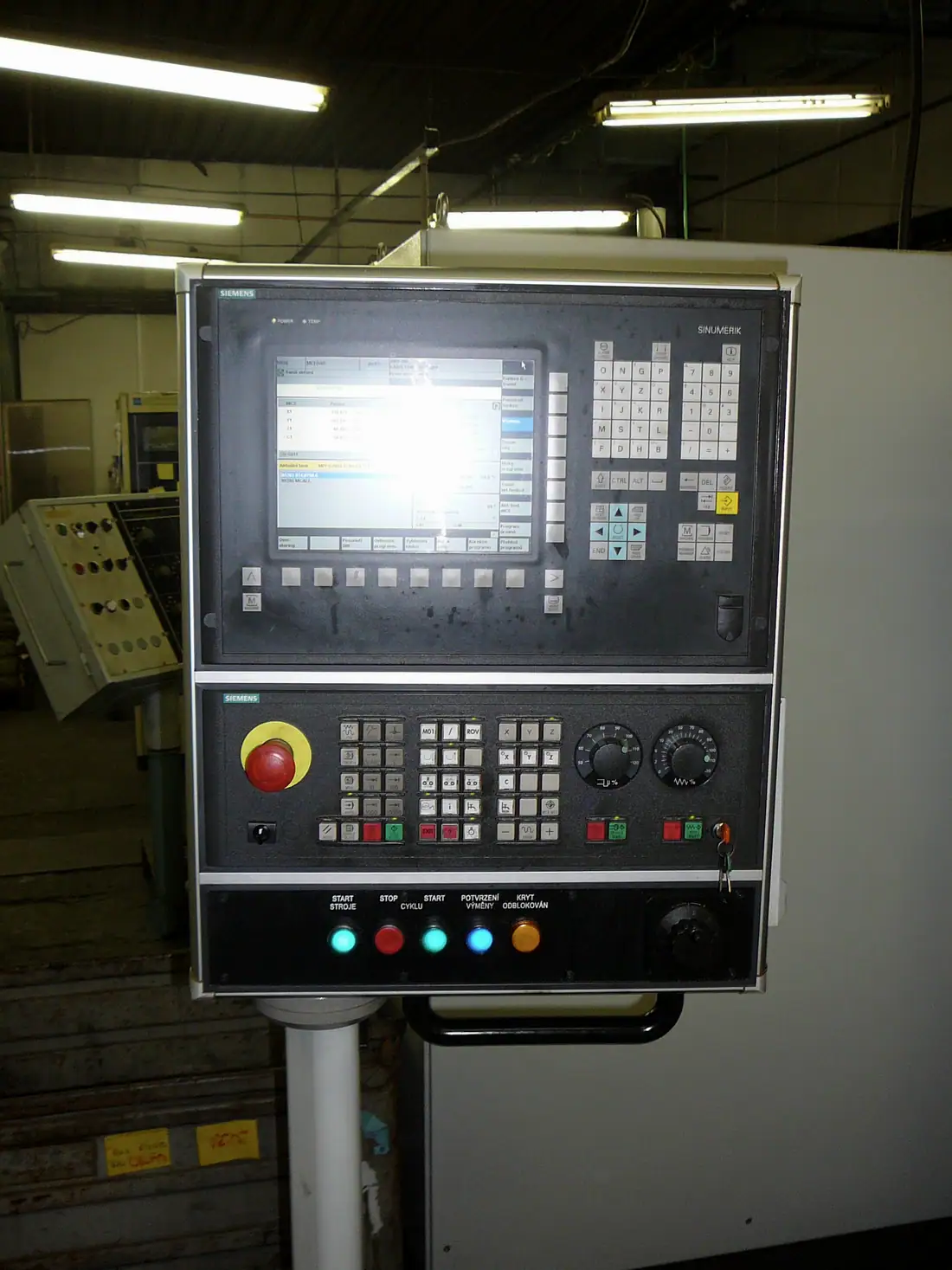
Before A typical control panel before a retrofit — representative image
Contact
Not sure which discipline you need?
Describe the production problem, and we'll determine the right combination of solutions together through a needs analysis.