


Company
Engineering proves itself on the shop floor.
Novera was founded to design systems that don't just look right on the drawing but run right on the floor, shift after shift. Our design approach rests on measurable requirements, lean mechanics and an open control architecture.
01 Engineering approach
We solve complexity in the design, not with more equipment.
-
Requirement first, equipment second
A robot, a servo or a camera — none of them is the starting point. The starting point is what production actually needs.
-
Designed for maintenance
Accessible components, standard parts and readable software keep a system manageable for years.
-
Open, documented architecture
Electrical drawings, software structure and parts lists are an integral part of every system we deliver.
02 Project development process
A traceable process in six steps.
Every step closes with a written output, so it is always clear what was decided and what changed over the course of the project.
-
01
Needs Analysis
The process, target output, part family and site conditions are examined on site; constraints and acceptance criteria are put in writing.
Output: Technical specification
-
02
Concept
Alternative layouts and solution paths are compared for cycle time, risk and budget.
Output: Concept layout and cycle analysis
-
03
Mechanical and Automation Design
Mechanical design, electrical design and control architecture progress in parallel, with joint design reviews.
Output: 3D model, electrical design, software structure
-
04
Manufacturing
Parts are manufactured and bought-in items procured; critical parts undergo dimensional inspection.
Output: Manufacturing and inspection records
-
05
Assembly
Mechanical and electrical assembly is completed, and the system goes through a factory acceptance test (FAT) with the customer in our workshop.
Output: Factory acceptance test (FAT)
-
06
Commissioning
On-site installation, the site acceptance test (SAT) and operator and maintenance training are completed, and the documentation is handed over.
Output: SAT, training and technical file
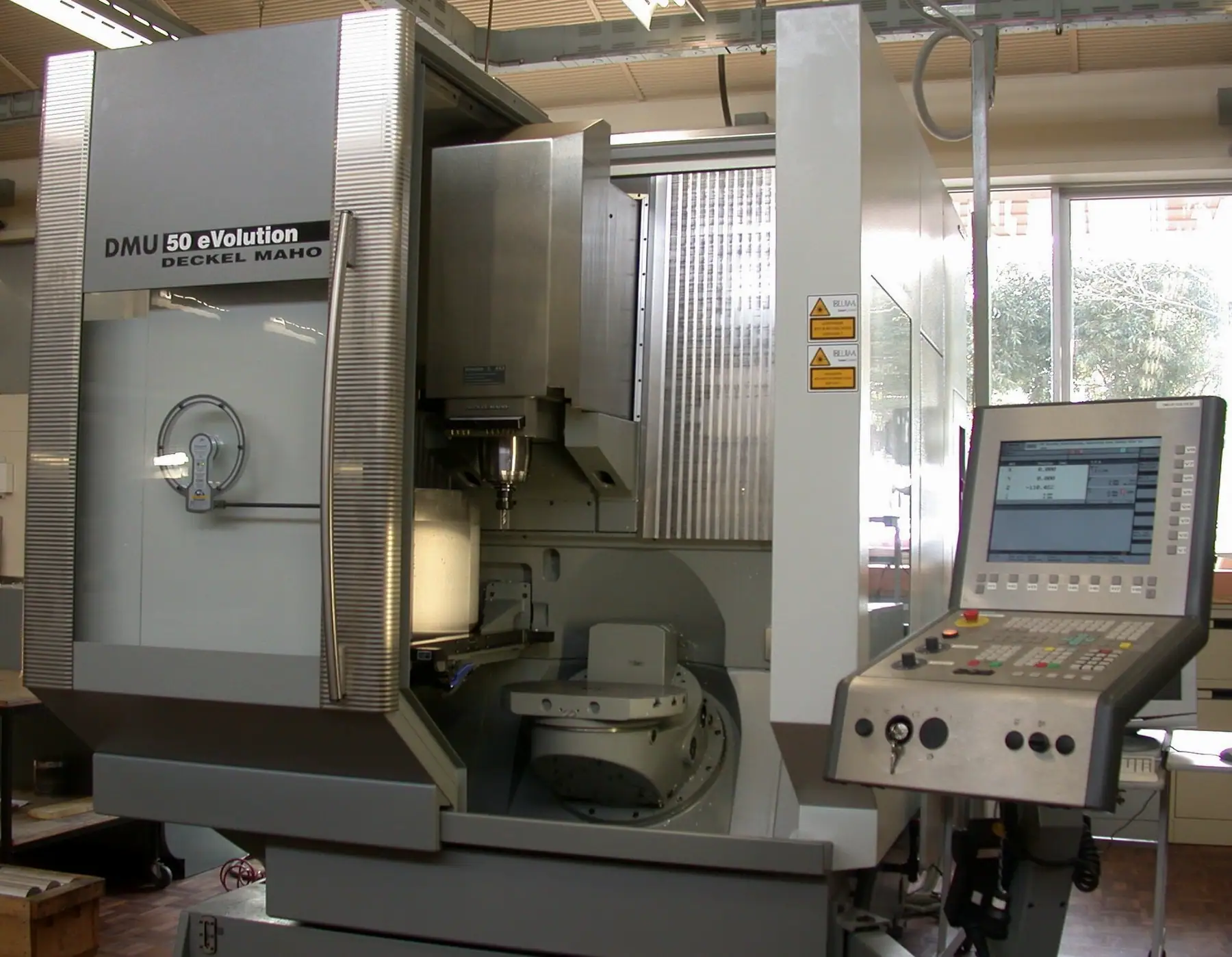
Manufacturing CNC machining for precision parts — representative image
03 Integration
Mechanics, electrics and automation at the same table.
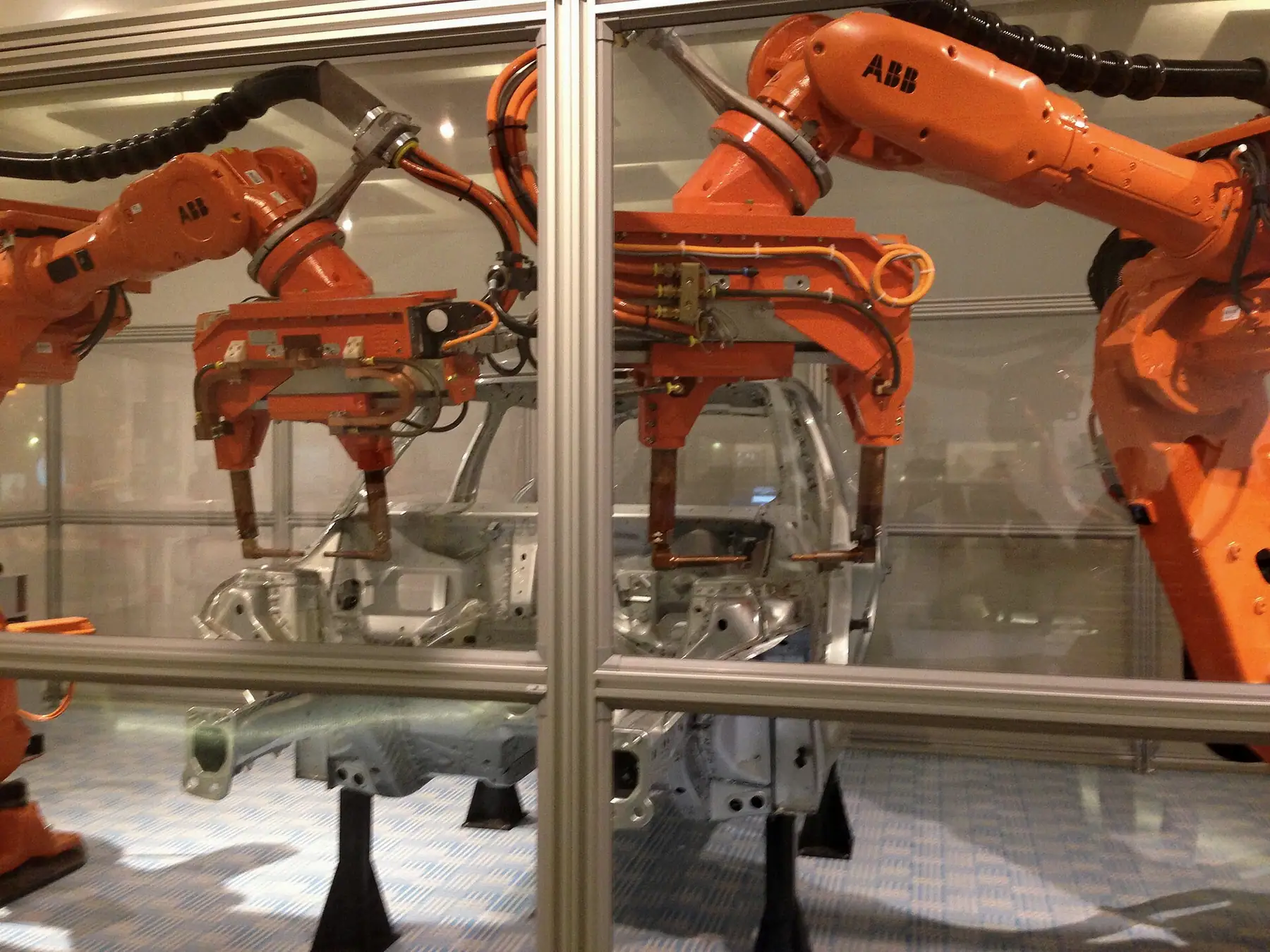
Most interface problems arise when disciplines are designed in isolation. We run all three within a single project team, with a shared model and a shared schedule.
Mechanical
Mechanical design, mechanism design, strength checks and manufacturing drawings.
Electrical
Panel and field design, wiring, safety circuits and power distribution.
Automation
PLC and HMI software, servo and robot programming, host-system communication.
04 Commissioning
Handover is the day the system runs on its own on site.
We plan commissioning not as the final week of the project but as the phase in which the design is proven. Acceptance criteria are written at the start of the project, and the system is tested against them together on site.
- Factory acceptance test (FAT) in our workshop, with an open-items list
- On-site installation, I/O checks and site acceptance test (SAT)
- Hands-on training for operators and maintenance staff
- Electrical drawings, software backups, parts list and user manual
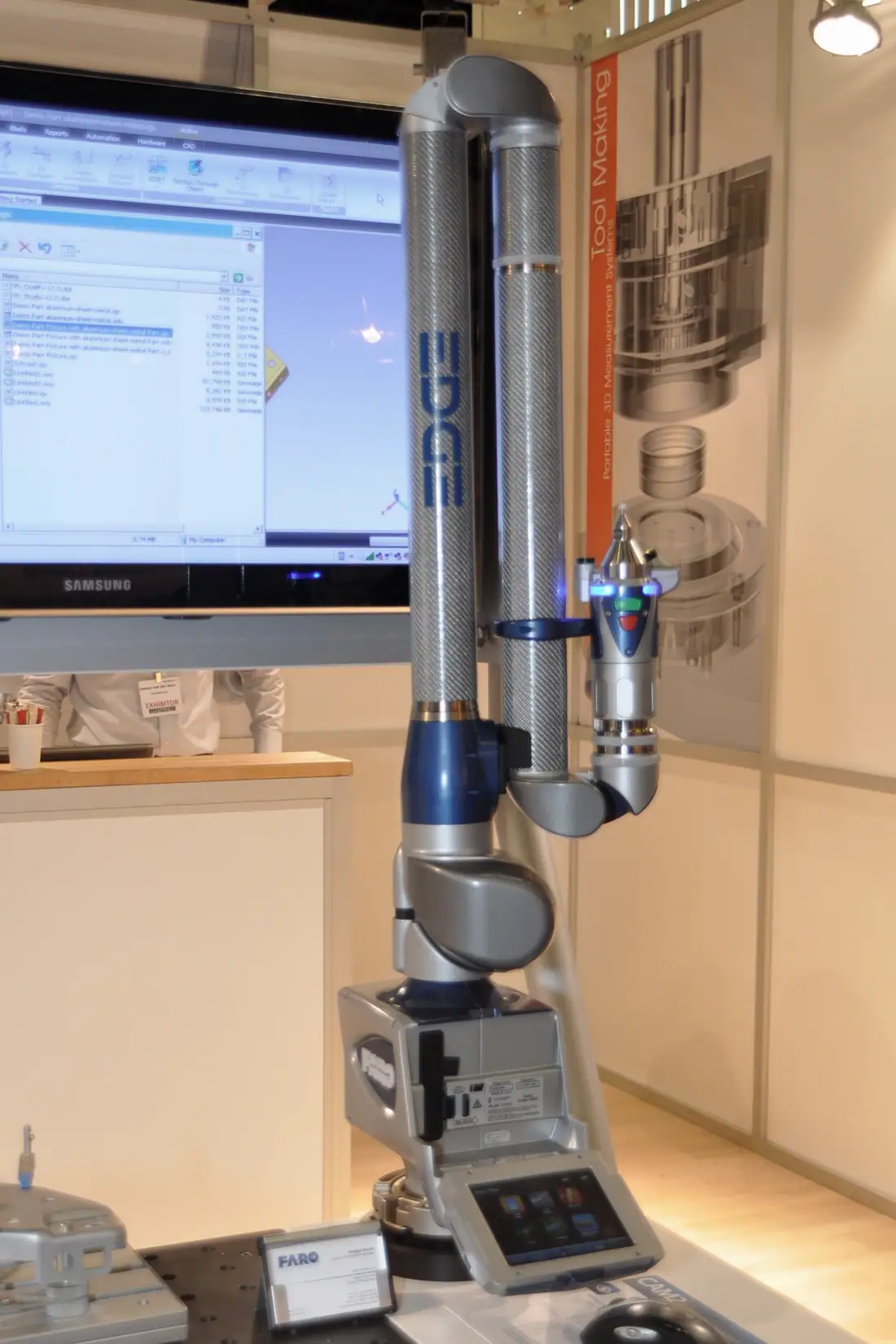
Measurement Verification by measurement during acceptance testing — representative image
Contact
Let's shape your project together from the very first step.
Let's start with a needs-analysis meeting and clarify your current process and goals together.